How Inflation and Daily Costs Are Affecting UAE Residents
The cost of living is a topic many UAE residents are paying closer attention to today than they were a few years ago. While the UAE remains one of the most attractive places to live and work, rising prices across housing, transportation, groceries, education, and everyday services are putting pressure on household budgets.
In this article, we'll explore some of the common reasons behind rising daily costs, how inflation affects residents, and practical ways to manage expenses without compromising financial stability.
Common Reasons for Inflation in Daily Costs in the UAE
Here are some of reasons for inflation in the UAE:
1. Rising Housing and Rental Costs
One of the biggest contributors to higher living expenses in the UAE has been the increase in rental prices, particularly in cities such as Dubai and Abu Dhabi. As population growth, business activity, and demand for housing continue to increase, many residents have experienced higher rent renewals and accommodation costs, making housing a larger portion of monthly expenses.
2. Global Supply Chain and Import Costs
The UAE imports a significant amount of consumer goods, food products, and raw materials from international markets. Changes in shipping costs, supply chain disruptions, currency fluctuations, and global economic conditions can directly impact the prices consumers pay for everyday goods and services.
3. Increased Consumer Demand and Economic Growth
The UAE's strong economic performance continues to attract businesses, investors, tourists, and professionals from around the world. While this growth creates opportunities, increased demand for housing, transportation, leisure, education, and services can also contribute to higher prices across various sectors.
How Inflation Impacts UAE Residents
Here are some of the ways in which UAE residents are impacted by the inflation:
1. Reduced Purchasing Power
When prices rise faster than income, residents can buy less with the same salary. This means household budgets may need to stretch further to cover groceries, transportation, utility bills, and other daily expenses.
2. Greater Difficulty Saving Money
Many residents come to the UAE with clear financial goals, whether it's supporting family members, building savings, or investing for the future. As everyday expenses increase, setting aside money consistently can become more challenging.
3. Increased Financial Pressure During Emergencies
Inflation not only affects regular expenses but also makes unexpected costs harder to manage. Medical bills, urgent travel requirements, vehicle repairs, or family emergencies can create greater financial strain when monthly budgets are already under pressure.
How to Handle Inflation and Daily Costs for UAE Residents
From our experience and deep dive into the spending habits of CashNow users, here are some ways to handle inflation in the UAE:
1. Reassess and Optimize Your Monthly Budget
The first step in managing inflation is understanding exactly where your money is going. Review recurring expenses regularly and identify areas where spending can be reduced or optimized. Small savings across multiple categories can create meaningful financial breathing room over time.
2. Build a Dedicated Emergency Fund
Inflation makes unexpected expenses even more difficult to absorb. Setting aside a portion of your income each month can help create a financial buffer that protects you from relying on expensive borrowing options during emergencies.
3. Use Instant Funding Solutions for Genuine Short-Term Needs
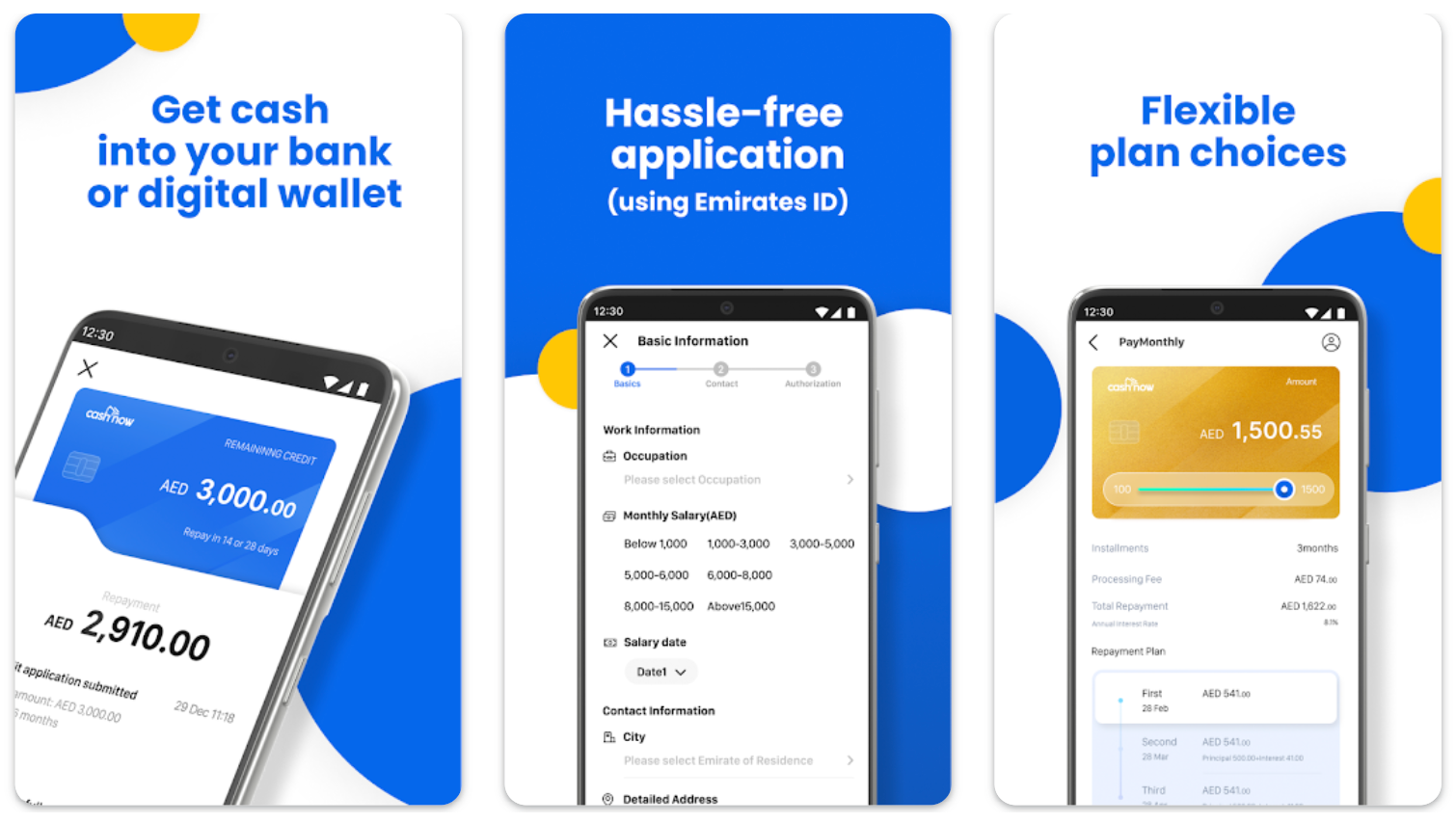
Even with careful planning, unexpected expenses can still arise. For residents facing temporary financial pressure, solutions like CashNow can help eligible users access funds quickly to manage urgent expenses without waiting for their next salary cycle. This can be particularly useful when dealing with sudden costs created by inflation-driven price increases.
4. Consider Salary Advance Options During Temporary Cash Flow Gaps
Inflation often creates timing challenges rather than long-term financial problems. For example, a rent increase, school payment, or unexpected bill may arrive before payday. In these situations, salary advance solutions offered through platforms such as CashNow may provide short-term financial flexibility, helping residents manage expenses while maintaining their existing financial commitments.
5. Look for Additional Income Opportunities
Many residents supplement their primary income through freelance work, side projects, consulting opportunities, or skill-based services where permitted by UAE regulations. Additional income streams can help offset rising living costs and strengthen financial resilience.
6. Review Existing Financial Commitments
Regularly evaluating subscriptions, memberships, insurance plans, utility usage, and recurring expenses can help identify opportunities to reduce unnecessary spending and improve overall financial efficiency.
Best Practices to Handle Rising Daily Costs in Dubai
While you can manage the rising daily costs in your own ways, here are some best practices we recommend following in general:
- Review your monthly budget at least once every month.
- Track spending to identify unnecessary expenses.
- Build and maintain an emergency fund.
- Compare prices before making major purchases.
- Plan large expenses well in advance whenever possible.
- Focus on long-term financial goals instead of impulse spending.
- Continuously improve your skills and career opportunities to increase future earning potential.
Conclusion
Inflation and rising daily costs are affecting households around the world, and UAE residents are no exception. While higher expenses can create financial pressure, proactive planning, disciplined budgeting, emergency savings, and responsible financial solutions can help individuals navigate these challenges more effectively.
By staying prepared and making informed financial decisions, residents can maintain greater stability even as living costs continue to evolve.
Need immediate cashflow or an instant loan to manage the rising costs? Get the CashNow app today.
FAQs
What is the inflation support scheme in UAE?
The UAE has introduced various social support initiatives and subsidies for eligible citizens, helping offset rising living costs through housing, food, utility, and income assistance programs.
What is the best way to handle inflation?
The best way to handle inflation is by budgeting carefully, reducing unnecessary expenses, building emergency savings, increasing income where possible, and planning ahead for major costs.
Is recession coming in 2026 in the UAE?
There is currently no confirmed recession forecast for the UAE in 2026. Economic conditions can change, but the country's growth outlook remains relatively positive.
How is the UAE helping poor people?
The UAE supports lower-income individuals through social welfare programs, housing assistance, charitable initiatives, food support, healthcare services, and financial aid for eligible citizens.
Similar Content

.webp)


.webp)