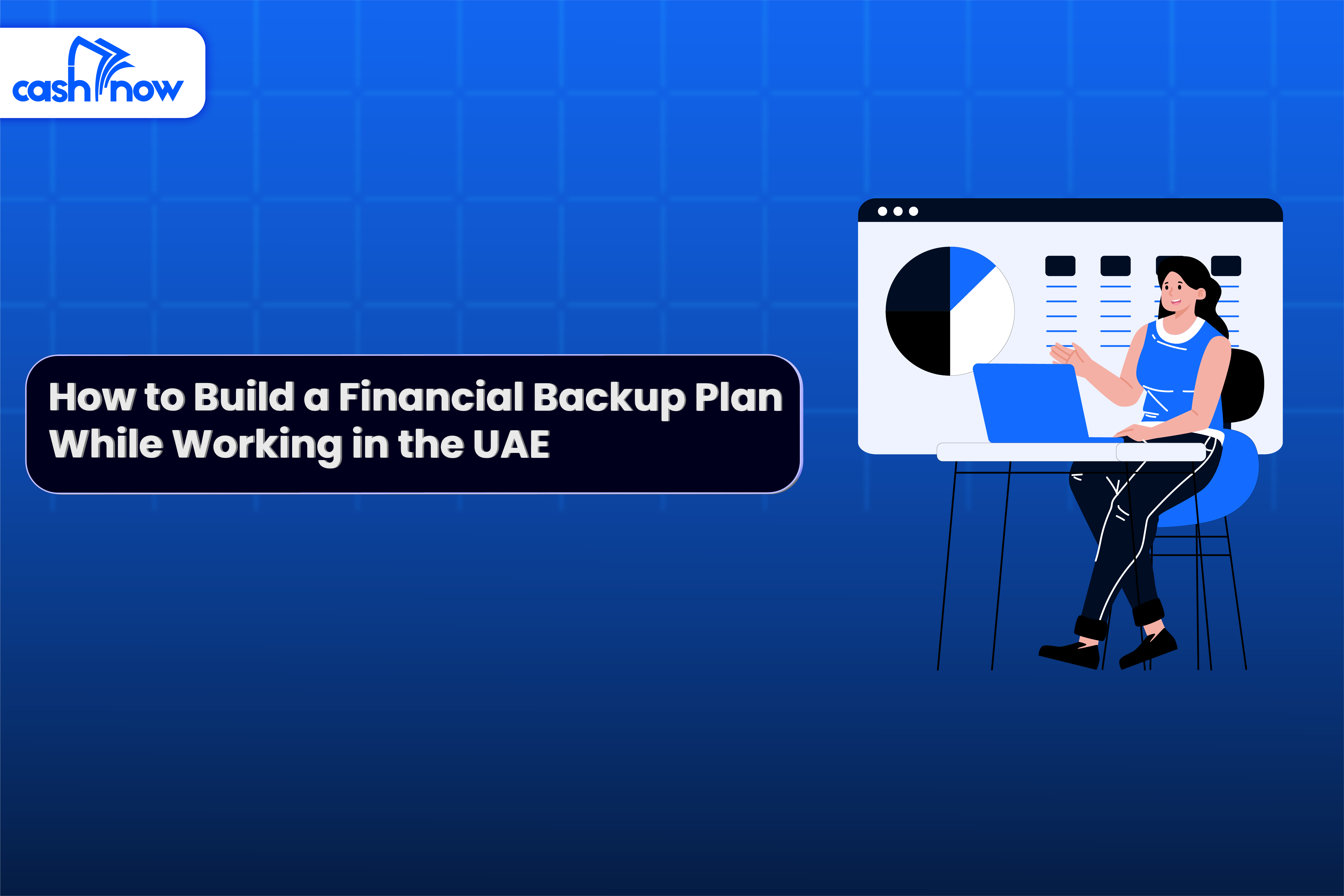
How to Build a Financial Backup Plan While Working in the UAE
The UAE offers excellent career opportunities for both residents and expats, attracting millions of people looking to build a better future. However, like anywhere else, unexpected situations can arise - from emergency expenses and job changes to family emergencies back home.
Combined with the relatively high cost of living in the UAE, having a financial backup plan is one of the smartest steps you can take. In this guide, we'll share practical ways to build one while working in the UAE.
In this post, we tell you how you can build a financial backup plan while working in the UAE.
Why Is Having a Financial Backup Plan Important for Those Working in the UAE?
Here are a few reasons we recommend everyone has a financial backup plan in the UAE:
1. It Helps You Manage Unexpected Emergencies
Life is unpredictable. Medical expenses, urgent travel, vehicle repairs, or household emergencies can happen without warning. A financial backup plan ensures you're prepared to handle these situations without disrupting your monthly budget.
2. It Protects You During Salary Delays or Employment Changes
While salary payments in the UAE are generally reliable, occasional delays or gaps between jobs can happen. Having emergency savings allows you to continue paying rent, transportation, groceries, and utility bills while you get back on your feet.
3. It Supports Family Responsibilities Back Home
Many expats regularly send money to support their families. If an unexpected family emergency occurs, having a financial backup allows you to provide assistance without compromising your own financial stability in the UAE.
4. It Reduces Financial Stress
Knowing you have funds available for emergencies provides peace of mind. Instead of worrying about every unexpected expense, you can focus on your work and long-term financial goals with greater confidence.
5. It Helps You Avoid High-Cost Borrowing
Without emergency savings, people may feel pressured to borrow from informal sources or rely heavily on expensive credit. A financial backup plan gives you more control over your financial decisions and allows you to choose the most suitable option when additional support is needed.
Need an instant loan in the UAE? Get the CashNow app today.
How to Build a Financial Backup Plan in the UAE
Building a financial backup plan can be easy if you approach it strategically. Here’s what we recommend doing:
1. Set a Monthly Savings Target
Building a financial backup doesn't require saving large amounts immediately. Start by setting aside a small portion of every salary, even if it's only AED 100 to AED 300 each month. Consistency matters more than the amount.
Consider treating your savings like a fixed monthly expense so you don't skip contributions whenever other expenses arise.
2. Track Your Monthly Expenses
Understanding where your money goes each month is essential. List your regular expenses, including:
- Accommodation
- Food and groceries
- Transportation
- Mobile and internet bills
- Utility contributions
- Family remittances
- Loan repayments
- Medical expenses
Tracking these monthly expenses helps identify unnecessary spending and allows you to redirect that money toward your emergency fund.
3. Build an Emergency Fund Before Spending on Non-Essentials
Before making discretionary purchases, prioritise building your financial backup. An emergency fund should only be used for genuine financial emergencies, such as:
- Medical treatment
- Emergency travel
- Essential household repairs
- Salary delays
- Temporary income interruptions
Keeping these funds separate from your everyday spending account makes it easier to avoid dipping into your savings unnecessarily.
Need instant loan for an emergency? Get the CashNow app today.
4. Reduce Small Daily Expenses
You don't always need a higher salary to save more; you may simply need to spend a little less. Simple changes can help, such as:
- Preparing meals at home more often.
- Using public transport where possible.
- Comparing prices before making purchases.
- Avoiding unnecessary subscriptions.
- Planning shopping in advance.
These small savings can add up significantly over time and strengthen your financial backup.
5. Plan Ahead for Seasonal Expenses
Many workers spend more during holidays, school admission periods, or annual travel to their home countries. Planning for these expenses throughout the year prevents them from affecting your emergency savings.
Creating separate savings goals for planned expenses ensures your financial backup remains available only for genuine emergencies.
6. Know Your Financial Backup Options
Even with careful planning, some emergencies may require immediate access to funds before you've fully built your savings.
Having a trusted financial solution available can provide additional peace of mind during unexpected situations. Responsible borrowing through a licensed provider like CashNow can help bridge temporary cash flow gaps while you continue working toward your long-term financial goals. The key is to use instant loans only when genuinely necessary and always borrow responsibly.
Need an instant loan at the moment? Get the CashNow app today.
7. Review Your Financial Plan Regularly
Your financial needs will change over time as your salary, family responsibilities, or living expenses change. Review your budget and emergency savings every few months to ensure you're still saving enough and that your financial backup reflects your current lifestyle and commitments.
Regular reviews also help you identify opportunities to save more as your financial situation improves.
How Much Should You Save in Your Financial Backup?
The ideal financial backup depends on your monthly expenses. For many blue-collar workers and expats in the UAE, monthly essential expenses may typically range between AED 1,500 and AED 3,500, depending on accommodation, transportation, remittances, and other responsibilities.
As a general guideline:
- Aim to build an initial emergency fund of AED 2,000 to AED 5,000 as your first milestone.
- Over time, work towards saving three to six months of essential living expenses where possible.
- If you're supporting family members or have loan repayments, consider building a slightly larger financial cushion.
Remember that every amount saved brings you one step closer to greater financial security. Starting small is far better than waiting for the "perfect" time to begin.
Conclusion
Building a financial backup plan is one of the most important steps anyone working in the UAE can take. Whether you're an expat supporting your family or a worker managing everyday living expenses, having emergency savings provides greater financial stability and confidence during unexpected situations.
While consistent saving should always be your first priority, it's equally important to know where to turn if an emergency arises before your savings are enough. If you need quick and responsible financial support during a temporary cash flow gap, download the CashNow app to explore your available options and access financial assistance when you need it most.
Similar Content