Tenant vs Landlord Who Is Responsible for Repair Costs in Dubai
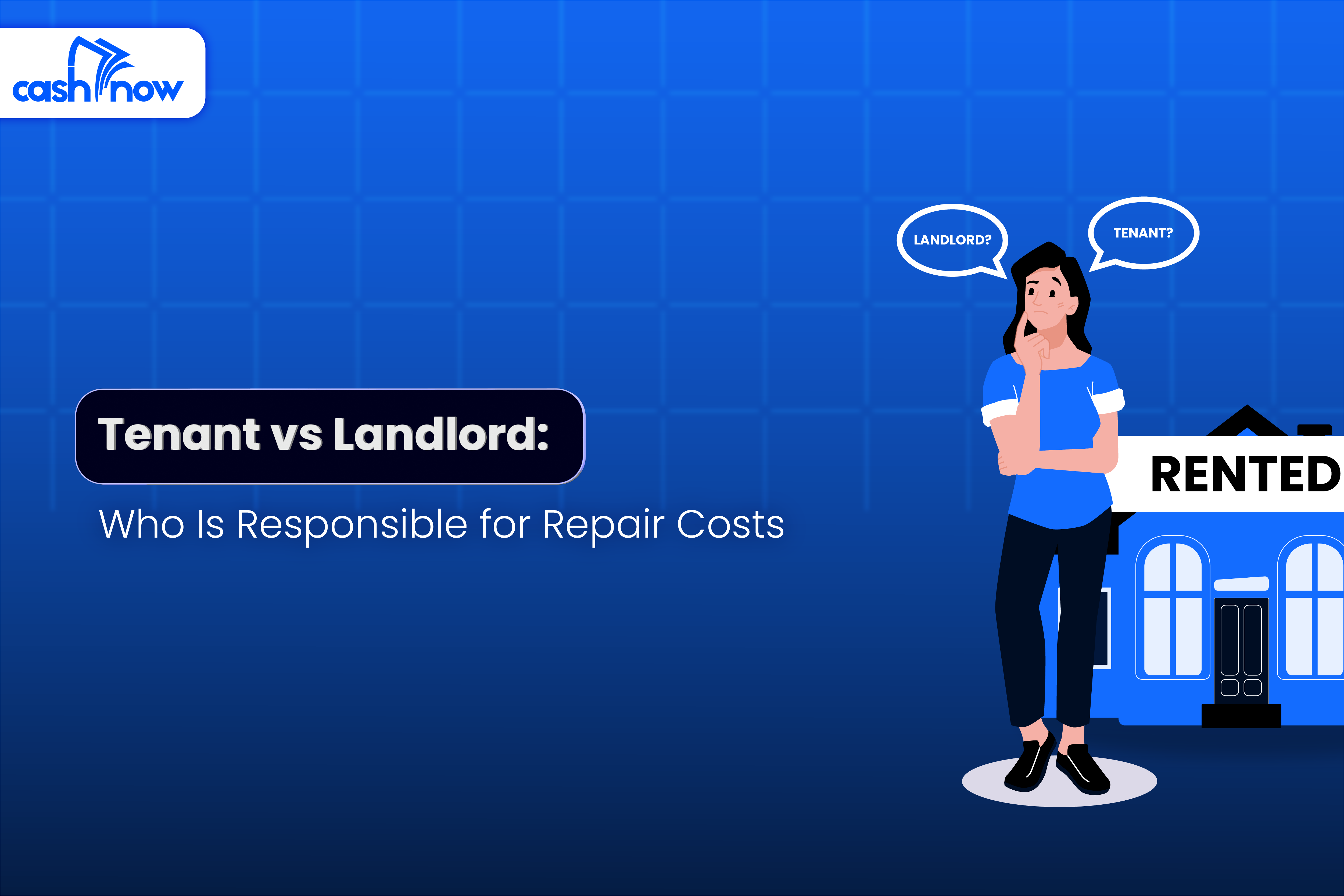
One of the first questions renters have when something breaks in their home is: Who pays for the repair, the tenant or the landlord?
Unexpected repairs, such as a broken AC, leaking tap, or damaged appliance, can mean an unexpected cost. They can also cause disagreements between tenants and landlords and delay important repairs.
Knowing who is responsible can help you avoid paying costs that you may not have to pay. It can also help you get repairs done without unnecessary delays.
This guide answers this common question. We explain the general rules and what tenants and landlords usually need to pay for.
How Are Repair Responsibilities Usually Divided in Dubai?
In Dubai, both landlords and tenants may have responsibilities for repairs and maintenance. These responsibilities are usually based on the tenancy agreement.
But if the contract does not clearly explain who should pay for a repair, the general rules can help you understand who is usually responsible.
The General Rule for Landlords
Landlords are generally responsible for major repairs and maintenance needed to keep the property safe and suitable to live in. This can include major problems with the AC, plumbing, electrical systems, or the structure of the property.
The General Rule for Tenants
Tenants are usually responsible for small repairs and basic upkeep of the home. This can include cleaning AC filters, keeping drains clear, and fixing small issues caused by everyday use. Tenants also need to pay for damage caused by them or their guests.
Need an instant loan for rental repairs? Download the CashNow app today.
Repairs That Are Usually the Landlord's Responsibility
Landlords are generally responsible for major repairs and essential systems in the property. This includes repairs needed to keep the home safe and in good working condition.
Major Plumbing Problems
Major plumbing problems are usually the landlord's responsibility. These can include:
- Burst pipes
- Hidden leaks
- Problems with the main water supply
Electrical System Repairs
Just like plumbing, landlords are also responsible for problems with the property's main electrical system, such as:
- Faulty wiring
- Problems with electrical panels
- Power failures caused by building systems
Air Conditioning System Failures
If your rental property has a central AC system and it stops working because of normal wear and tear, the landlord is generally responsible for arranging the repair. However, your tenancy agreement may have different rules, so check your contract first.
Structural Repairs
Major problems with the structure of the property are also usually the landlord's responsibility. These can include:
- Roof leaks
- Large wall cracks
- Ceiling damage
- Foundation-related problems
Built-in Fixtures and Essential Systems
The landlord is also generally responsible for repairing essential systems and fixtures that are permanently installed in the property. These may include:
- Water heaters
- Built-in plumbing fixtures
- Permanent installations included with the property
Need an instant loan for rental repairs? Download the CashNow app today.
Repairs That Are Usually the Tenant's Responsibility
On the other hand, tenants are usually responsible for small repairs, everyday upkeep, and any damage they cause, whether intentional or accidental.
Minor Wear and Tear
Tenants are expected to handle small issues that come with everyday use, such as:
- Replacing light bulbs
- Tightening loose handles
- Making minor adjustments
Damage Caused During the Tenancy
Secondly, if a tenant or their guests damage the property, the tenant has to pay for the repair in this case. This can include:
- Broken doors
- Damaged walls
- Windows broken in an accident
Normal wear and tear is usually treated differently from damage caused by the tenant.
Routine Maintenance
Tenants are also expected to handle the basic upkeep of the home. This may include:
- Cleaning AC filters
- Keeping drains clear
- Keeping the property clean
- Taking reasonable steps to prevent pests, where applicable
What Happens When the Responsibility Isn't Clear?
The general rules can help you understand who usually pays for a repair. But your tenancy agreement may have different terms, may not clearly cover every situation, or you may not have discussed the repair with your landlord before.
If you are unsure, check your contract and speak to your landlord before arranging or paying for the repair.
Check Your Tenancy Agreement First
Your tenancy agreement may explain:
- Who is responsible for different types of repairs
- How much the tenant is expected to pay
- How repairs should be reported
Some contracts may also have a limit on how much a tenant has to pay for minor repairs.
Communicate With the Landlord Early
Once you know what your contract says, tell your landlord about the problem as soon as possible. Take photos or videos of the damage and clearly explain what has happened.
Reporting the problem early can help prevent it from getting worse and make it easier to agree on who should handle the repair.
Keep Records of Repair Requests
Keep your repair requests and conversations with your landlord. Save emails, WhatsApp messages, maintenance requests, and repair invoices.
These records can help if there is a disagreement later about who was responsible for the repair or who should pay for it.
Need an instant loan for rental repairs? Download the CashNow app today.
What Should You Do If an Emergency Repair Can't Wait?
In most cases, it is better to check your contract and speak to your landlord before arranging a repair. But some problems cannot wait for a discussion, especially if they can damage the home or make it unsafe.
A major water leak, electrical hazard, or AC failure during Dubai's extreme summer heat may need quick action. If you face an emergency:
Notify the Landlord Immediately
Contact your landlord or property manager as soon as possible. Explain the problem clearly and share photos or videos if you can. This also gives the landlord a chance to arrange for the repair.
Arrange Emergency Repairs if Necessary
If the problem is urgent and waiting could cause more damage or put you at risk, you can arrange the repair yourself. If possible, get the landlord's approval before calling a repair service.
Keep All Receipts
If you pay for the repair, keep the invoice and receipt. Also save photos, videos, and messages related to the problem. These can help you show what happened and how much you paid.
Check the Reimbursement Process
Once the emergency is handled, check your tenancy agreement to see if you can claim the repair cost back from the landlord. Keep any documents they may ask for when reviewing the claim.
How to Budget for Unexpected Repair Costs as a Tenant
If there are repairs you need to pay for, here’s how you can manage the costs easily:
Understand Which Repairs You're Likely to Pay For
Check your tenancy agreement when you move in to understand which repairs you have to pay for. This can help you plan for minor maintenance, routine upkeep, or damage caused during your tenancy.
Keep a Small Maintenance Buffer
Try to keep some money aside for unexpected repair costs. Even a small amount can help you manage minor repairs without affecting your regular expenses.
Don't Ignore Small Problems
Do not wait if you notice a small problem in your home. Report it to your landlord as soon as possible. A small issue can become a bigger and more expensive problem if it is left for too long.
Consider Temporary Financial Support for Urgent Repairs
Sometimes, you may need to pay for an urgent repair before you receive reimbursement or agree with your landlord on who should pay. If you do not have enough money at the time, a short-term loan may help you manage the unexpected cost. CashNow offers licensed microloan options for eligible UAE residents.
Need an instant loan for rental repairs? Download the CashNow app today.
Tips to Avoid Repair Disputes With Your Landlord
Once you know what you may have to pay for, a few simple steps can help you avoid repair problems and disagreements with your landlord:
- Inspect the property before moving in: Check the AC, plumbing, electrical points, doors, windows, and other important fixtures.
- Document existing damage: Take photos or videos of any damage or problems you find before moving in and share them with your landlord.
- Report problems quickly: Tell your landlord about any repair issue as soon as you notice it. This can help stop the problem from getting worse.
- Know your responsibilities: Read your tenancy agreement before signing it and make sure you understand which repairs you may have to pay for.
Need an instant loan for rental repairs? Download the CashNow app today.
Conclusion
Knowing who is responsible for repairs can help you avoid unexpected costs and unnecessary disputes with your landlord.
Before you move in, check your tenancy agreement, document any existing damage, and report problems as soon as they happen. It is also a good idea to keep some money aside for minor repairs and other unexpected expenses.
But if an unexpected repair comes up and you do not have enough money to pay for it, CashNow can help you cover the cost with a short-term loan. CashNow offers quick microloans to eligible UAE residents, with a simple application process and clear repayment terms.
Need an instant loan for rental repairs? Download the CashNow app today.
Similar Content