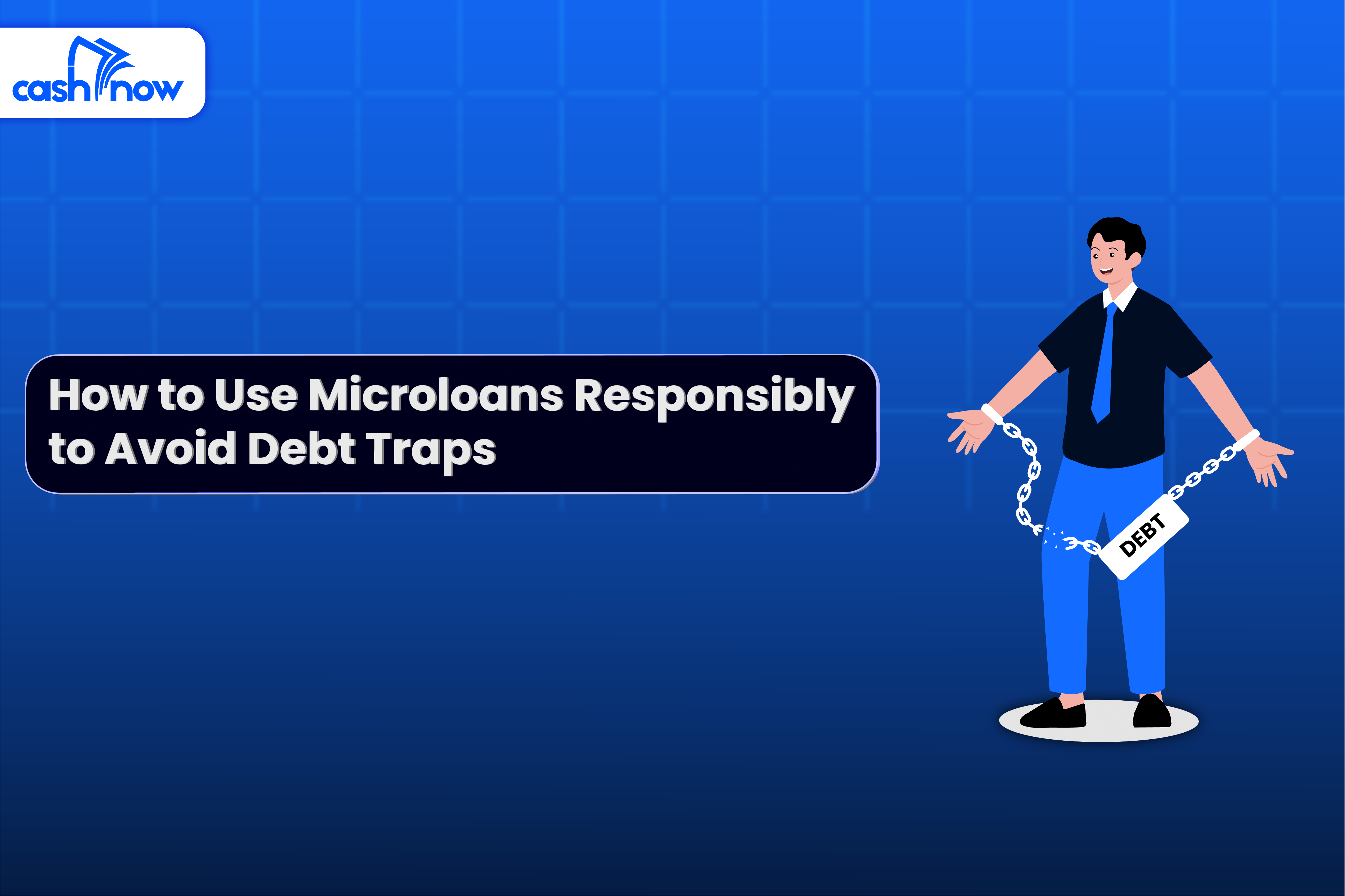
How to Use Microloans Responsibly to Avoid Debt Traps
Microloans can be very helpful when you need money urgently. They help people pay for sudden expenses like medical bills, rent, or daily needs when the salary is delayed.
Because these loans are small and easy to get, many workers depend on them during difficult times. However, when microloans are used without proper planning, they can turn into a problem.
Missing due dates, borrowing more than needed, or taking a new loan to repay an old one can push you into a debt trap. Small loans may look easy, but wrong decisions can make repayment stressful.
This guide explains how to use microloans the right way, so they help you when you need them, without pulling you into long-term debt.
What using microloans responsibly looks like
Using a microloan responsibly means borrowing only when it is truly needed and being clear about how you will repay it.
Borrowing for needs, not wants
A microloan should be used only for important and emergency needs, not for shopping or luxury items that are not a necessity. Good reasons to take a microloan include medical expenses, house rent, school fees, or urgent repairs. These are situations where delaying payment can cause bigger problems.
Using a loan for things you can avoid or delay, like buying a new phone or spending on celebrations, can make repayment difficult. When the loan is used for non-essential items, you may struggle later to repay it from your salary.
Clear repayment planning
Before taking a microloan, you should know exactly when and how you will repay it. Always check the repayment date and make sure it matches your salary or income cycle. Ask yourself if you can repay the full amount on time without taking another loan.
A simple repayment plan helps you stay in control. When you keep money aside for repayment, the loan remains helpful instead of becoming a burden.
Common mistakes that lead to debt traps
Many people fall into debt not because the loan is bad, but because of small mistakes that add up over time, like the ones below:
1. Taking multiple small loans
Some people take one microloan and then take another before repaying the first. Since each loan amount is small, it may not feel risky. But having many active loans at the same time makes repayments hard to manage.
Multiple loans mean many due dates and a higher total repayment amount each month. This reduces your income and increases stress.
2. Rolling over loans
Rolling over a loan means extending it instead of paying it off fully. While this may give short-term relief, it usually adds extra charges or interest. Over time, you may pay much more than what you originally borrowed.
Rollover loans keep the debt going longer. Instead of solving the problem, they make it harder to get out of the debt cycle.
3. Ignoring repayment dates
Missing repayment dates is one of the fastest ways to fall into a debt trap. Late payments can lead to penalties, extra fees, and frequent reminders from lenders. They can also affect your credit score and reduce your chances of getting bigger loans in the future, like a personal loan or home loan.
When payments are delayed again and again, debt increases and financial pressure grows. Always mark your due date and plan to repay on time.
Smart rules for responsible borrowing
Responsible borrowing does not mean avoiding loans completely. It means using them in a way that supports your current needs without affecting your monthly and future income. These simple rules can help you stay safe when using microloans:
1. Borrow less than your limit
When a lender approves a loan, the offered amount may be more than what you actually need. Taking the full limit may feel tempting, but it increases your repayment burden. A bigger loan means higher monthly payments and more pressure on your salary because you will lose a major portion of your monthly salary to installments
Always think about how much money is enough to solve your current problem. If a smaller amount works, choose that instead of a bigger amount. Borrowing less makes repayment easier and reduces the risk of missing payments or needing another loan.
2. Choose the shortest comfortable tenure
Every loan has a repayment period. Longer tenures may seem easier, but they usually cost more because you pay more interest over time. The longer the loan continues, the longer you stay in debt.
Choose a repayment period that matches your salary cycle. Try to close the loan as early as possible without affecting your daily expenses. A shorter and more comfortable tenure helps you return to normal finances faster.
3. Set repayment reminders
Many people fall into debt simply because they forget repayment dates. Work pressure, shift duties, or travel can make it easy to miss a due date. Even one missed payment can lead to extra charges and stress.
Setting reminders on your phone or writing the date in a notebook can help. When you prepare in advance and keep money aside, repayment becomes smooth and stress-free.
When not to take a microloan
Microloans are useful when taken at the right time. Knowing when not to borrow is just as important, and here are some instances when taking a microloan is not a good idea:
1. To repay another loan
Taking a microloan to repay an existing loan is one of the most common mistakes. It may feel like an easy way to avoid missing a payment, but it usually creates a debt cycle. You are not reducing your debt, you are only moving it from one loan to another.
Over time, this leads to more repayments, more stress, and higher total costs. Instead of fixing the problem, you may end up owing more money than you originally borrowed.
2. Without a stable income
A microloan should only be taken if you have a regular and stable income. If your income is uncertain or delayed, planning repayment becomes very difficult. Without steady earnings, even a small loan can feel heavy.
Borrowing without a stable income can quickly lead to late payments, penalties, and repeated borrowing. Before taking a loan, be sure you can repay it comfortably from your next salary without affecting your daily needs.
3. Without understanding the total cost
Every microloan has a total cost, which includes interest and any fees. Some loan apps clearly show this amount, while others may not. If you accept a loan without checking the full cost, you may be surprised later by how much you need to repay.
Always check the total repayment amount before agreeing to a loan. Knowing the full cost helps you decide if the loan is affordable and prevents money problems in the future.
Conclusion
Microloans are powerful tools that can help you manage emergencies and unexpected expenses. When used carefully, they make life easier by helping you pay for urgent needs like medical bills, rent, or repairs without waiting for your next salary.
The key to making the most of a microloan is to borrow responsibly. Take only what you need, avoid using one loan to repay another, and understand the total cost before borrowing. Plan your repayment clearly, match it to your income, and use reminders to stay on track and avoid falling into a cycle of debt.
When used the right way, microloans remain helpful and do not become a debt trap. Remember, small loans can make a big difference, but only if you borrow smart and repay fast.
Similar Content