


Emergency & Unexpected Expenses

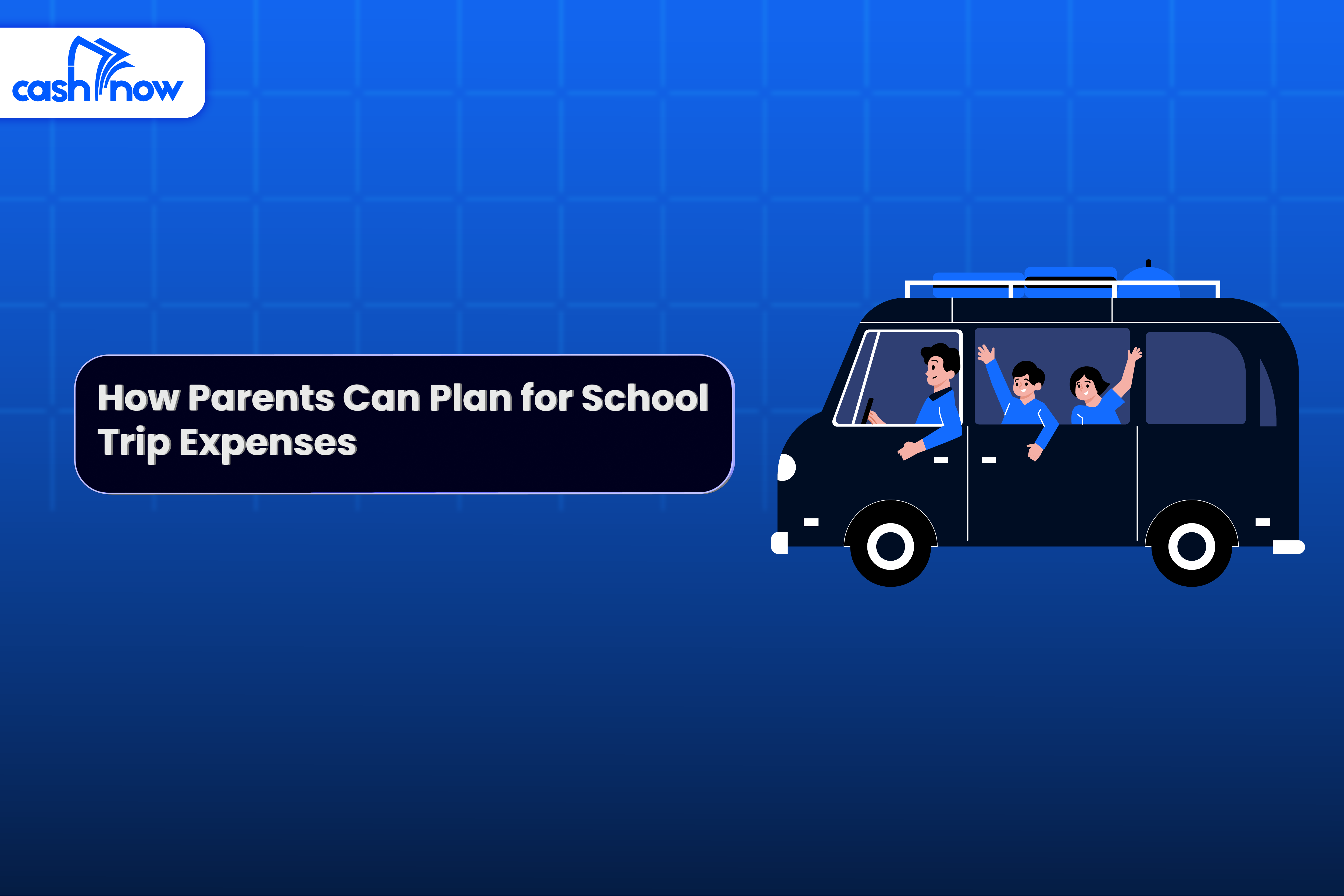
School Trip Coming Up? How UAE Parents Can Plan for the Extra Expense

A school trip can be an exciting experience for your child, but it is also another expense to fit into your monthly budget.

The school may charge a fixed trip fee, but more often than not, there are additional costs for transport, meals, snacks, personal spending, or items your child needs. Together, these expenses can add up and become difficult to manage if you are not prepared.

But since school trips are usually planned in advance, you will have enough time to work out the total cost and start setting money aside. With a simple plan, you can manage the expense without putting pressure on your regular budget or facing a last-minute cash-flow squeeze.

In this guide, we’ll look at simple ways UAE expats can plan and prepare for their child’s school trip expenses.

7 Tips for Parents to Plan for School Trip Expenses

These simple tips can help you plan for the full cost without putting pressure on your monthly budget or cash flow:

1. Start With the Total Trip Cost, Not Just the School Fee

The school trip fee is only the starting point. Before setting a budget, check what is included in the fee and what you may need to pay for separately. Here are a few costs to keep track of:

  • School fee: Check the main trip fee and what it covers, including transport, meals, entry tickets, activities, or accommodation.
  • Extra trip costs: Check if you need to pay separately for snacks, personal spending, or other activities.
  • Trip-specific items: Check if your child needs new clothes, shoes, luggage, stationery, or other items for the trip.
  • Additional charges: Look for costs such as optional activities, insurance, equipment rentals, or other requirements.
  • Total cost: Add all these expenses together to understand how much you will actually need for the trip.

Knowing the total cost early gives you more time to save and prepare for the expense.

Planning school expenses and need a cash loan? Download the CashNow app today. 

2. Check the Payment Deadline and Options

Knowing the total trip cost, including extra and additional charges, can help you avoid an unexpected expense just before the trip. But knowing the cost is only one part of planning. You also need to know when the payment is due.

Check if the school asks for the full amount at once or allows you to pay in smaller amounts. If the trip is expensive, ask the school if instalment options are available. Also, note the payment dates and check the school’s refund policy in case your child cannot go on the trip.

Knowing the payment dates early gives you more time to plan your budget and save for the expense.

3. Set Aside the Money Gradually

If you know about the school trip several weeks or months in advance, do not wait until the last moment to arrange the full amount. Start setting aside a small amount from each salary instead.

  • Break it into smaller amounts: If the trip costs AED 600 and you have three months to prepare, you can set aside around AED 200 each month.
  • Plan around your salary: Divide the amount across your remaining pay cycles, whether you are paid monthly, weekly, or every two weeks.
  • Treat it as a planned expense: A school trip may not be a monthly expense, but you know it is coming. Saving for it early can make the payment easier to manage.

4. Budget for Spending Money Separately

Your child may need some extra money during the trip for snacks, drinks, small purchases, or other personal expenses. This amount may not be included in the school trip fee, but having some extra money can help your child have a comfortable trip. So, plan for it separately.

Think about how much your child may need based on the length and destination of the trip. A short one-day trip may need less spending money than a trip that lasts several days. Your child may also need more money if food or other items cost more at the destination.

Set a clear spending limit before the trip and explain it to your child. This will help them stick to the budget while still enjoying the trip. For longer trips, divide the money by day so your child knows how much they can spend each day.

5. Plan for Trip-Specific Purchases in Advance

Some school trips also come with trip essentials that you need to purchase specifically for the trip, such as sports shoes, suitable clothes, luggage, or other equipment. If you leave these purchases until the last moment, it can become difficult to manage all the expenses at once.

Check the school’s instructions early and make a list of everything your child may need. You may already have some of these items at home, so check before buying anything new.

If you do need to buy something, try to purchase it early instead of waiting until a few days before the trip. If you have enough time, you can also spread out the purchases. For example, you could buy the required clothes one month and other items the next month.

Planning these purchases in advance gives you more time to compare prices and helps you avoid several expenses hitting your budget at the same time.

Planning school expenses and need a cash loan? Download the CashNow app today. 

6. Keep a Small Buffer for Last-Minute Costs

Even after planning the main trip expenses, it is a good idea to keep some extra money aside for last-minute costs. School trips can sometimes come with new requirements or small additional expenses when the trip is just around the corner.

For example, the school may ask your child to bring an extra item, pay an additional fee, or carry more spending money than you first planned. You may also realise that something your child needs for the trip, such as a pair of shoes or clothes, needs to be replaced.

These expenses may not be large, but they can be difficult to manage if your budget is already fully used. Try not to plan your budget down to the exact dirham. Once you have worked out the expected trip cost, keep a small buffer for expenses you may not have considered.

Having this extra money ready can help you manage last-minute expenses without taking money away from your regular household expenses or emergency funds.

7. If the Expense Creates a Short-Term Cash-Flow Gap, Know Your Options

Sometimes, the school trip may be affordable, but the payment date can still be difficult. For example, the school may ask for payment a few days before your next salary, or another important expense may come up while you are still waiting for your salary. This can create a short-term cash-flow gap.

First, check if you can use money you have already set aside, adjust another non-essential expense, or plan the payment around your next salary. If you have an emergency buffer, you can also use part of it and build it back up after your next salary.

If there is still a genuine temporary gap, you can explore responsible short-term borrowing options such as CashNow. CashNow is a digital personal-loan service in the UAE that allows eligible customers to apply for a loan through its app.

Before borrowing, check the total repayment amount, fees or charges, and repayment date. Only borrow if you are confident you can repay on time without affecting your regular household expenses.

Planning school expenses and need a cash loan? Download the CashNow app today. 

What All Should You Account for in a School Trip?

Here’s a quick rundown of the possible expenses for your child’s school trip, so you can estimate the total cost and start building a budget:

  • School or registration fee: Check the main amount charged by the school.
  • Transportation: Find out whether the school fee includes buses, flights, taxis, or other travel costs.
  • Meals and snacks: Check which meals are included and whether your child will need extra money for food or drinks.
  • Accommodation: For overnight trips, check if the cost of the hotel or other accommodation is included.
  • Entry tickets and activities: Some attractions, events, or activities may have separate charges.
  • Spending money: Set a reasonable amount for small personal purchases.
  • Trip-specific clothing or equipment: Include items such as suitable clothes, shoes, bags, stationery, or sports equipment.
  • Travel documents or related requirements: If the trip is outside the UAE, check whether your child needs any documents, permits, or other requirements.
  • Emergency or contingency money: Keep a small amount aside for unexpected costs.
  • Last-minute purchases or school requirements: Leave some room in your budget for anything the school may ask for close to the trip date.

Adding these costs together gives you a better idea of what the trip is likely to cost, rather than planning around the school fee alone.

Conclusion

School trips do not have to become a financial surprise if you plan for the full cost early. Remember to plan beyond the trip fee mentioned by the school. Account for other expenses like transport, meals, spending money, required items, and other possible costs.

Once you know the total amount, start setting money aside across your upcoming pay cycles. Keeping a small buffer can also help you manage last-minute expenses without affecting your regular household budget.

If the payment date creates a temporary cash-flow gap, first check if you can manage it through your existing budget or savings. If you need to borrow, explore your options carefully, check the full repayment cost, and borrow only an amount you can comfortably repay on time.

Download the CashNow app today.

Licensed by the Central Bank of the UAE
School Trip Coming Up? How UAE Parents Can Plan for the Extra Expense
Emergency & Unexpected Expenses

School Trip Coming Up? How UAE Parents Can Plan for the Extra Expense

A school trip can be an exciting experience for your child, but it is also another expense to fit into your monthly budget.

The school may charge a fixed trip fee, but more often than not, there are additional costs for transport, meals, snacks, personal spending, or items your child needs. Together, these expenses can add up and become difficult to manage if you are not prepared.

But since school trips are usually planned in advance, you will have enough time to work out the total cost and start setting money aside. With a simple plan, you can manage the expense without putting pressure on your regular budget or facing a last-minute cash-flow squeeze.

In this guide, we’ll look at simple ways UAE expats can plan and prepare for their child’s school trip expenses.

7 Tips for Parents to Plan for School Trip Expenses

These simple tips can help you plan for the full cost without putting pressure on your monthly budget or cash flow:

1. Start With the Total Trip Cost, Not Just the School Fee

The school trip fee is only the starting point. Before setting a budget, check what is included in the fee and what you may need to pay for separately. Here are a few costs to keep track of:

  • School fee: Check the main trip fee and what it covers, including transport, meals, entry tickets, activities, or accommodation.
  • Extra trip costs: Check if you need to pay separately for snacks, personal spending, or other activities.
  • Trip-specific items: Check if your child needs new clothes, shoes, luggage, stationery, or other items for the trip.
  • Additional charges: Look for costs such as optional activities, insurance, equipment rentals, or other requirements.
  • Total cost: Add all these expenses together to understand how much you will actually need for the trip.

Knowing the total cost early gives you more time to save and prepare for the expense.

Planning school expenses and need a cash loan? Download the CashNow app today. 

2. Check the Payment Deadline and Options

Knowing the total trip cost, including extra and additional charges, can help you avoid an unexpected expense just before the trip. But knowing the cost is only one part of planning. You also need to know when the payment is due.

Check if the school asks for the full amount at once or allows you to pay in smaller amounts. If the trip is expensive, ask the school if instalment options are available. Also, note the payment dates and check the school’s refund policy in case your child cannot go on the trip.

Knowing the payment dates early gives you more time to plan your budget and save for the expense.

3. Set Aside the Money Gradually

If you know about the school trip several weeks or months in advance, do not wait until the last moment to arrange the full amount. Start setting aside a small amount from each salary instead.

  • Break it into smaller amounts: If the trip costs AED 600 and you have three months to prepare, you can set aside around AED 200 each month.
  • Plan around your salary: Divide the amount across your remaining pay cycles, whether you are paid monthly, weekly, or every two weeks.
  • Treat it as a planned expense: A school trip may not be a monthly expense, but you know it is coming. Saving for it early can make the payment easier to manage.

4. Budget for Spending Money Separately

Your child may need some extra money during the trip for snacks, drinks, small purchases, or other personal expenses. This amount may not be included in the school trip fee, but having some extra money can help your child have a comfortable trip. So, plan for it separately.

Think about how much your child may need based on the length and destination of the trip. A short one-day trip may need less spending money than a trip that lasts several days. Your child may also need more money if food or other items cost more at the destination.

Set a clear spending limit before the trip and explain it to your child. This will help them stick to the budget while still enjoying the trip. For longer trips, divide the money by day so your child knows how much they can spend each day.

5. Plan for Trip-Specific Purchases in Advance

Some school trips also come with trip essentials that you need to purchase specifically for the trip, such as sports shoes, suitable clothes, luggage, or other equipment. If you leave these purchases until the last moment, it can become difficult to manage all the expenses at once.

Check the school’s instructions early and make a list of everything your child may need. You may already have some of these items at home, so check before buying anything new.

If you do need to buy something, try to purchase it early instead of waiting until a few days before the trip. If you have enough time, you can also spread out the purchases. For example, you could buy the required clothes one month and other items the next month.

Planning these purchases in advance gives you more time to compare prices and helps you avoid several expenses hitting your budget at the same time.

Planning school expenses and need a cash loan? Download the CashNow app today. 

6. Keep a Small Buffer for Last-Minute Costs

Even after planning the main trip expenses, it is a good idea to keep some extra money aside for last-minute costs. School trips can sometimes come with new requirements or small additional expenses when the trip is just around the corner.

For example, the school may ask your child to bring an extra item, pay an additional fee, or carry more spending money than you first planned. You may also realise that something your child needs for the trip, such as a pair of shoes or clothes, needs to be replaced.

These expenses may not be large, but they can be difficult to manage if your budget is already fully used. Try not to plan your budget down to the exact dirham. Once you have worked out the expected trip cost, keep a small buffer for expenses you may not have considered.

Having this extra money ready can help you manage last-minute expenses without taking money away from your regular household expenses or emergency funds.

7. If the Expense Creates a Short-Term Cash-Flow Gap, Know Your Options

Sometimes, the school trip may be affordable, but the payment date can still be difficult. For example, the school may ask for payment a few days before your next salary, or another important expense may come up while you are still waiting for your salary. This can create a short-term cash-flow gap.

First, check if you can use money you have already set aside, adjust another non-essential expense, or plan the payment around your next salary. If you have an emergency buffer, you can also use part of it and build it back up after your next salary.

If there is still a genuine temporary gap, you can explore responsible short-term borrowing options such as CashNow. CashNow is a digital personal-loan service in the UAE that allows eligible customers to apply for a loan through its app.

Before borrowing, check the total repayment amount, fees or charges, and repayment date. Only borrow if you are confident you can repay on time without affecting your regular household expenses.

Planning school expenses and need a cash loan? Download the CashNow app today. 

What All Should You Account for in a School Trip?

Here’s a quick rundown of the possible expenses for your child’s school trip, so you can estimate the total cost and start building a budget:

  • School or registration fee: Check the main amount charged by the school.
  • Transportation: Find out whether the school fee includes buses, flights, taxis, or other travel costs.
  • Meals and snacks: Check which meals are included and whether your child will need extra money for food or drinks.
  • Accommodation: For overnight trips, check if the cost of the hotel or other accommodation is included.
  • Entry tickets and activities: Some attractions, events, or activities may have separate charges.
  • Spending money: Set a reasonable amount for small personal purchases.
  • Trip-specific clothing or equipment: Include items such as suitable clothes, shoes, bags, stationery, or sports equipment.
  • Travel documents or related requirements: If the trip is outside the UAE, check whether your child needs any documents, permits, or other requirements.
  • Emergency or contingency money: Keep a small amount aside for unexpected costs.
  • Last-minute purchases or school requirements: Leave some room in your budget for anything the school may ask for close to the trip date.

Adding these costs together gives you a better idea of what the trip is likely to cost, rather than planning around the school fee alone.

Conclusion

School trips do not have to become a financial surprise if you plan for the full cost early. Remember to plan beyond the trip fee mentioned by the school. Account for other expenses like transport, meals, spending money, required items, and other possible costs.

Once you know the total amount, start setting money aside across your upcoming pay cycles. Keeping a small buffer can also help you manage last-minute expenses without affecting your regular household budget.

If the payment date creates a temporary cash-flow gap, first check if you can manage it through your existing budget or savings. If you need to borrow, explore your options carefully, check the full repayment cost, and borrow only an amount you can comfortably repay on time.

Download the CashNow app today.