How to Manage a Cash-Flow Gap Without a Credit Card in the UAE
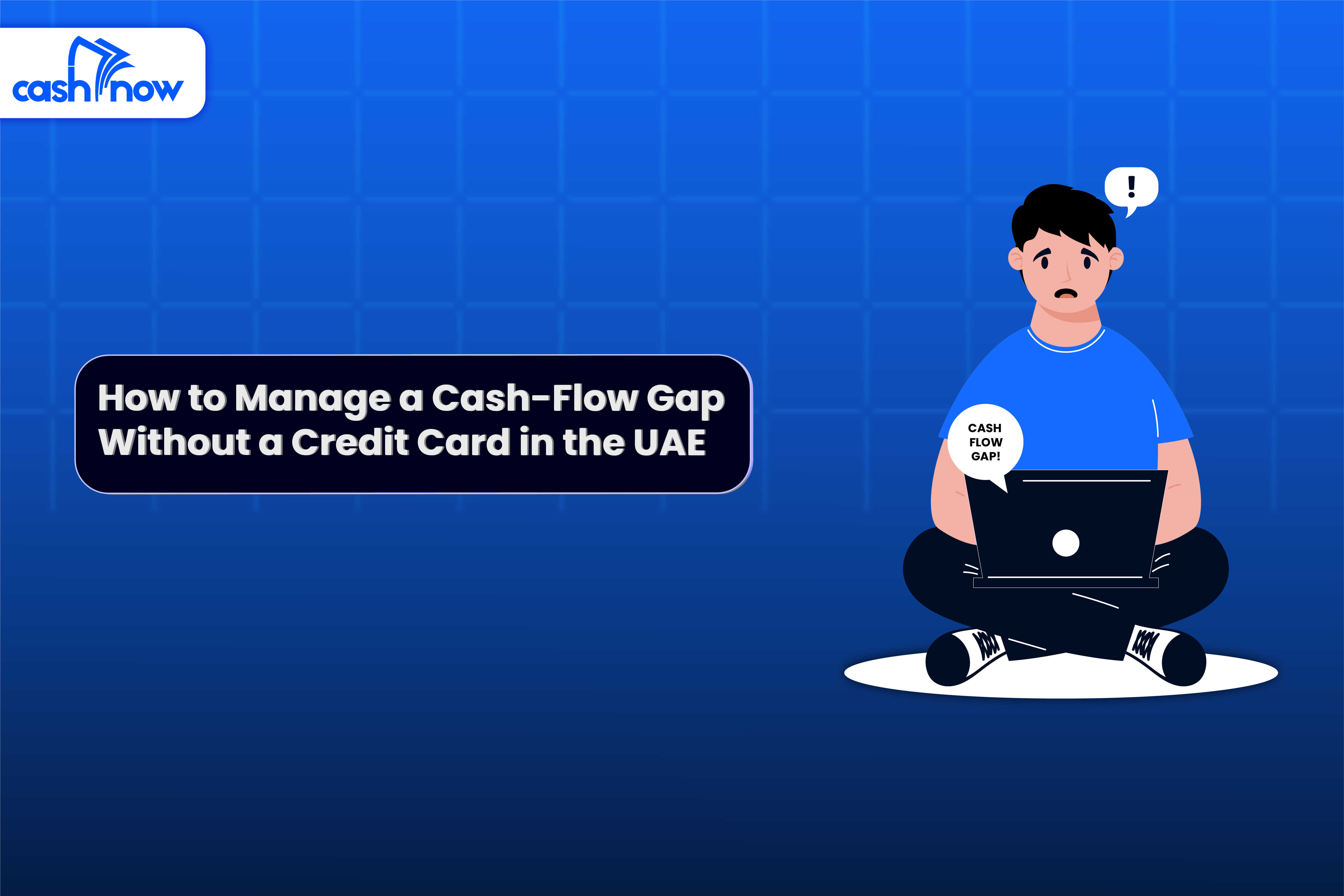
It is common for expats to face cash-flow gaps from time to time because of the dual household expenses they manage. Sometimes, an important payment comes up before their next paycheck, leaving them without enough money to cover it.
A cash-flow gap does not always mean you do not have enough income. It can simply be a timing problem, where your money comes in after an important expense is due.
Some people manage these gaps with credit cards. But many expats and workers, especially those who are new to the UAE, may not have access to a credit card or may simply not want to use one.
This guide looks at practical ways to manage a temporary cash-flow gap in the UAE without relying on a credit card.
7 Ways to Manage a Cash-Flow Gap Without a Credit Card
A cash-flow gap can feel stressful, but you have several simple ways to manage it before you consider applying for a credit card:
1. First, Figure Out Exactly How Big the Gap Actually Is
It is normal to panic when you see a low bank balance and worry about how you will manage an important payment. But first, check whether you have a temporary gap or a bigger money problem.
If you normally have enough income to cover your regular expenses and only need extra money because an important payment has come up before your next salary, it may be a short-term timing problem. But if you regularly do not have enough money to cover your basic expenses, you may have a bigger budgeting problem.
Once you understand the situation, check how much you need to cover the payment and how much money you already have. Then check when your next salary or income will arrive. This will tell you the exact amount you need to manage until then.
Knowing the size and reason for the gap can help you choose the right solution and avoid borrowing more than you need.
Need an instant loan? Download the CashNow app today.
2. Adjust the Timing of Payments Where Possible
A cash-flow gap can happen when an important payment is due before your next salary arrives, even though you will have enough money once your salary is paid. If the payment date is flexible, moving it closer to your salary date may help you avoid the gap.
Check if a non-urgent payment can be moved to a later date, split into smaller payments, or scheduled closer to your next salary. If you want to change a payment date, check with the company or service provider first.
The goal is to manage the timing of your payments so you do not need to borrow money for an expense that you can cover once your salary comes in.
3. Use Available Cash Buffers Before Taking on New Debt
When you need money urgently, it can be tempting to look for a loan straight away. But before borrowing, check if you already have some money set aside that you can use. A loan can come with interest and other charges, so using your own available cash may cost you less.
Look at your savings or emergency fund and see how much is available. Then consider whether using part of it makes more sense than borrowing money. If using your savings would leave you without enough money for other important needs, you may decide to keep that buffer untouched.
Understanding how much cash you already have gives you a clearer picture of the gap. You can then decide whether you need to borrow at all and, if you do, how much you actually need.
4. Avoid Turning One Small Gap Into Multiple Financial Commitments
It starts with one small gap that you need to cover, because borrowing gives you quick relief. But if similar situations keep coming up, you may start taking multiple small loans or payment plans without realising how much you have committed to repay every month.
Before taking on new debt, look at your existing payments and what you have to pay in the coming weeks. Also consider how much money you expect to have when your next salary or income arrives. This will help you understand whether you can comfortably manage another payment.
A small loan may seem easy to repay on its own, but several loans or payment plans can add up and put more pressure on your budget. So, make sure the repayment fits comfortably within your income and existing expenses.
Need an instant loan? Download the CashNow app today.
5. Explore Flexible Payment Options for Specific Purchases
Some necessary purchases can be expensive to pay for all at once. If you are buying something important, check whether the seller offers a genuine instalment or flexible payment option. Paying in smaller amounts over time can help you manage your cash flow.
But check the total amount you will pay, the repayment dates, and any fees or charges before you agree. A payment that looks small each month can still cost more overall.
Also check if the payment plan fits your monthly budget. Make sure you can manage the new payment along with your rent, bills, food, transport, and other regular expenses. Flexible payments should make a necessary expense easier to manage, not create another money problem later.
6. Consider a Responsible Short-Term Cash Loan for a Genuine Temporary Gap
Sometimes, an essential payment cannot be delayed, and your savings are not enough to cover it. If you expect your next salary or income soon, a short-term loan may be an option for eligible UAE residents.
A short-term loan can help you manage an urgent expense without using a credit card. But borrowing only makes sense if you have a clear plan to repay it on time. Check your budget first and make sure the repayment will not affect your rent, food, bills, or other important expenses.
CashNow is a digital short-term lending option for eligible UAE residents who need temporary financial support. It can be used to manage an urgent expense without relying on a credit card.
Before accepting a loan, check the total repayment amount, fees, repayment period, and due dates. Make sure you understand how much you will pay and when the payment is due before you accept the loan.
Need an instant loan? Download the CashNow app today.
7. Use the Gap to Improve Your Next Month's Cash-Flow Plan
If the same cash-flow gap keeps happening, it is worth looking at what is causing it. A one-time gap may simply be bad timing, but regular gaps could mean you need to change how you plan for certain payments.
Once the immediate gap is over, think about what caused it. Did an important payment come before your salary? Did you have a large expense that you did not plan for? Or did you spend more than usual before your next salary arrived?
Use what you learn to prepare for the next month. If you know an important payment will come before your salary, keep some money aside in advance. You can also build a small cash buffer for unexpected expenses.
This can give you more room to handle future gaps without needing to borrow every time an expense comes up.
When Does a Short-Term Cash Loan Make Sense?
A short-term cash loan may make sense when:
- You have a temporary cash-flow gap: You expect your salary or other income soon, but you need money before it arrives.
- The expense is important: You need to pay for something essential that cannot reasonably wait until your next income.
- You know how you will repay it: You have a clear idea of when your money will come in and how you will make the repayment.
- The costs are clear: The lender clearly tells you about the fees, total repayment amount, repayment dates, and other terms before you accept the loan.
- You borrow only what you need: The loan should cover the actual cash-flow gap, not extra money for non-essential spending.
UAE rules also place limits on certain types of short-term credit and require affordability checks. For you as a borrower, this means you should look at how much you can comfortably repay before taking a loan and avoid borrowing more than you can manage.
When Should You Avoid Borrowing for a Cash-Flow Gap?
You should avoid borrowing when:
- The gap happens every month: If you regularly run out of money before your next salary, you may need to review your monthly budget instead.
- You need another loan to repay the first one: Taking new debt to pay old debt can make the problem harder to manage.
- You do not know the total repayment: Do not accept a loan if you are not sure how much you will have to pay back.
- The fees and terms are not clear: The lender should clearly explain all costs, repayment dates, and other important terms before you agree.
- You are already struggling with repayments: Taking on another payment can put more pressure on your budget if you are already finding it difficult to meet your current commitments.
Conclusion
Not having a credit card does not mean you have no options when a temporary cash-flow gap comes up. The first step is to understand whether the gap is really short-term, work out exactly how much money you need, and choose a solution that puts the least pressure on your finances.
If you need a short-term solution to cover an urgent expense before your next salary, CashNow can help you manage the gap without relying on a credit card. It provides a simple digital way to access short-term funds when you need them.
Need an instant loan? Download the CashNow app today.
Similar Content