New to Dubai? How Seasonal Rental Prices Can Affect Your Budget
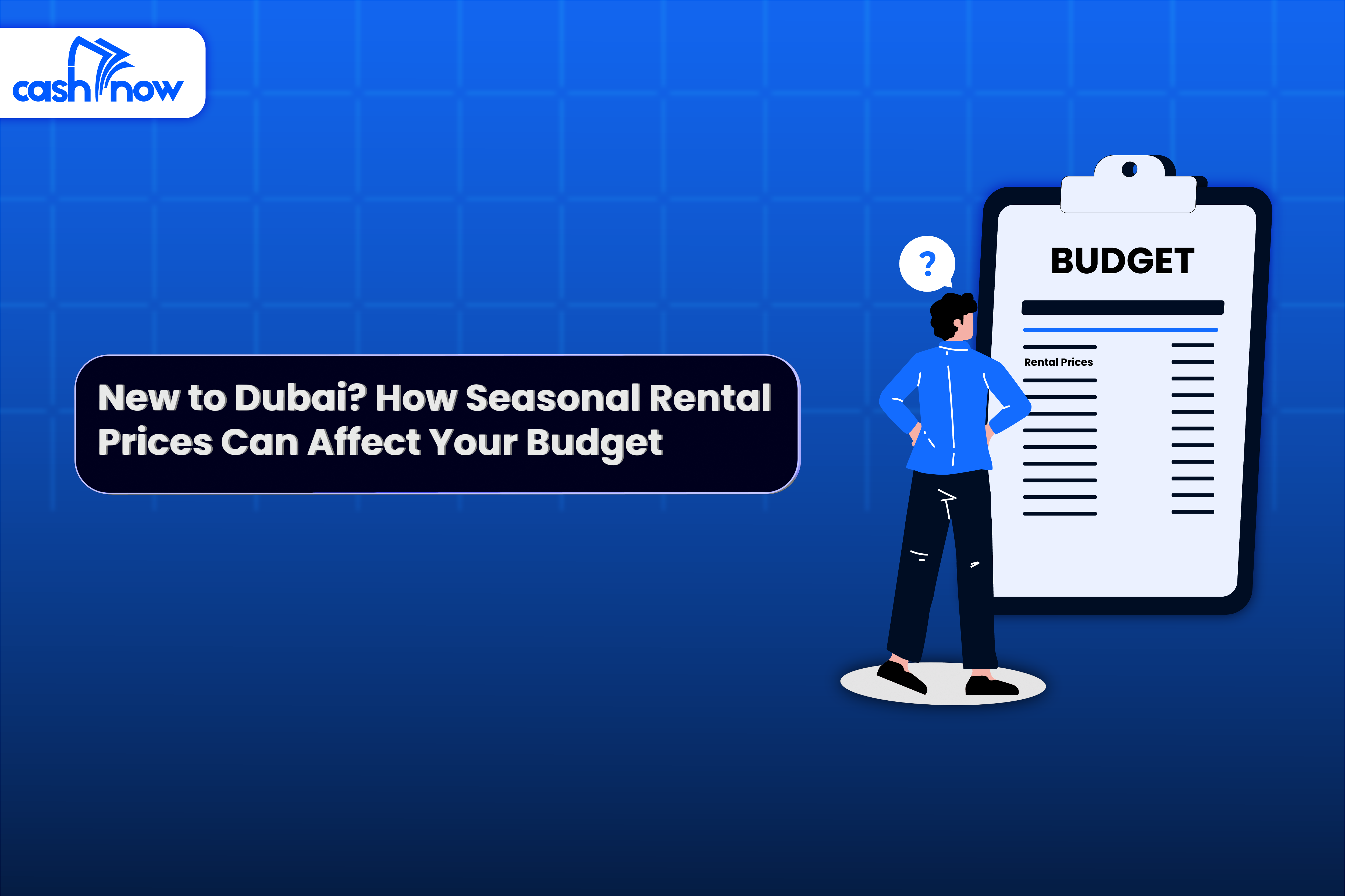
New expats in the UAE have a lot on their minds: where to rent a home, how much rent they can afford, and how they will manage their daily expenses. With so much to plan and calculate, they may overlook other factors that can affect rental prices, such as peak and off-peak seasons.
Dubai's rental market can see changes in demand throughout the year. This can affect rent prices, the number of homes available, short-term accommodation costs, and how much room you have to negotiate.
This guide explains how seasonal rental changes in Dubai can affect your budget and what new residents can do to plan ahead.
How Seasonal Rental Prices Can Affect Your Budget in Dubai
The season you choose to move can change your experience of renting a home in Dubai. Here are the main ways seasonal changes can affect your housing budget:
1. Winter Can Mean More Competition for Accommodation
Dubai's winter season, roughly from October to April, is a busy time for tourism, business, and new arrivals. The cooler weather brings more visitors, workers, and expats to the city. This can increase demand for rental homes, especially in popular areas.
When more people look for homes at the same time, and properties can get rented faster, you are left with fewer homes to choose from. This gives landlords more room to set their rental price and leaves you with less room to negotiate the rent or lease terms.
If you are moving during this busy period, start your home search several weeks before your planned move. Keep important documents such as your passport, Emirates ID or entry permit, and proof of employment ready before you start viewing homes. This can help you move faster when you find a suitable property.
2. Summer Can Create Better Opportunities to Negotiate
Dubai's summer rental market is usually quieter as fewer people move during the hot months and school holidays. Fewer tenants looking for homes can mean some properties stay vacant for longer, giving renters less competition when searching for a home.
Landlords who want to find a tenant instead of keeping a property empty may be more open to discussing the rental terms. You may have more room to negotiate the rent, ask for more payment cheques, or discuss small changes to the lease.
However, a quieter summer market does not mean rents will be lower everywhere. Prices and negotiation options can still vary by neighbourhood, property type and demand. For example, a popular villa may still have strong demand even during summer. Compare several listings in different areas before signing a rental contract.
3. The Cost of Temporary Accommodation Can Change With the Season
Seasonal changes in Dubai can affect the cost and availability of temporary places to stay, such as hotels, serviced apartments, and short-term rentals. Many new expats use these options while looking for a permanent home.
During the busy winter season, these short-term stays can cost more because demand is higher. If your search for a long-term home takes longer than expected, staying for extra days or weeks can increase your overall moving costs. You may also spend more on food and transport during this time.
Keep some extra money aside for the period between arriving in Dubai and moving into your permanent home. This can help you manage unexpected costs if your home search takes longer or temporary accommodation costs are higher than expected.
Need an instant loan? Download the CashNow app today.
4. A Cheaper Rent Doesn't Always Mean a Cheaper Move
Rent is not the only cost you need to pay when moving into a home in Dubai. New tenants may also need to pay a security deposit, usually around 5% of the annual rent, and a real estate agency fee, which is also commonly 5%. You may also need to pay utility connection deposits, such as the DEWA housing deposit.
Your initial costs can be higher if the home is unfurnished or semi-furnished because you need to buy furniture, kitchen items, and other basic household items. Internet and other home services also add to your expenses.
Before signing a rental agreement, calculate your full move-in cost, not just the rent. This can help you know how much cash you need at the start and make sure you have enough left for your other regular expenses.
5. Summer Can Also Change Your Monthly Housing Costs
Getting a lower rent during the summer can help you save money, but it does not always mean your total living costs will be lower. Dubai's hot summer weather means you may use air conditioning for longer hours, which can increase your electricity and cooling bills.
Before renting, ask whether the property uses DEWA electricity or district cooling such as Empower, which may have separate charges. Ask for an estimate of past utility costs and include them in your monthly budget along with rent.
6. Your Preferred Area May Be Affected Differently Than the Overall Market
Rental prices do not change in the same way across all areas of Dubai. Popular areas may have strong demand throughout the year because of their location, amenities, and lifestyle. Other areas, especially newer or suburban communities, may have more available homes and more room to negotiate.
Compare rental prices and available homes across different neighbourhoods before choosing a property. Being flexible about where you live can also help you find a nearby area that fits your budget.
Need an instant loan? Download the CashNow app today.
7. Timing Can Affect the Payment Terms You Can Negotiate
The annual rent is not the only thing to discuss. Ask how many cheques the landlord accepts, such as one, two, four, six, or twelve cheques. The number of cheques can affect how much money you have left for your monthly expenses.
For example, paying AED 48,000 in two cheques means AED 24,000 is due at each payment. If the rent is split into four cheques, each payment is AED 12,000. A higher number of cheques can reduce the amount you need to pay at one time and leave more cash available for other expenses.
Before renting, compare the rent, payment schedule, and your monthly expenses to see what works for your budget.
How New Expats Can Use Seasonal Trends to Plan Their Housing Budget
A little planning before you rent can help you avoid spending too much at the start. These simple steps can help you plan your housing costs more clearly:
1. Start Researching Before You Arrive
Check rental prices in the neighbourhoods you are considering before you move to Dubai. Look at several listings to understand the usual rent for the type of home you want.
Do not make a decision based on one listing or one agent's quote. Comparing several properties can help you understand whether a rental price is reasonable for the area.
2. Don't Rush Into a Yearly Lease Immediately
If you are unsure about where to live, consider staying in a hotel, serviced apartment, or monthly rental first. This gives you time to understand your daily commute, the neighbourhood, and your actual monthly expenses.
It may cost more in the short term, but rushing into a yearly lease can be costly later if the location or rent doesn't work for you. Make sure you have enough money to cover your first few months before committing to a long-term rental.
3. Compare the Full Year, Not Just the First Month
Look at the total cost of the home for the full year. Include rent, security deposit, agency fees, utilities, and higher cooling costs during the hotter months.
A simple 12-month estimate can show you how much you are likely to spend on housing and how much money you will have left for other needs.
4. Keep a Buffer for Moving Costs
Moving into a new home comes with several expenses at the same time. You may need to pay your rent, deposit, and agency fee, then spend more on furniture, household items, transport, and other essentials.
Try not to use all your available cash just to secure the home. Keep some money aside for unexpected costs and your regular expenses after you move in.
A Quick Checklist Before Renting a Property in Dubai
Before you agree to a rental, check these points to make sure the home fits your budget and needs:
- Rental price: Have you compared the rent with similar homes in the same area?
- Season: Is the property in high demand because of the time of year?
- Move-in costs: How much do you need for the rent, security deposit, agency fee, and utility deposits?
- Payment terms: How many rent cheques does the landlord accept, and which option works for your monthly cash flow?
- Cooling and utilities: What type of cooling does the property use, and what could your monthly utility costs be?
- Location: Does the area fit your daily travel needs and budget?
- Cash left over: How much money will you have after paying the initial move-in costs?
- Emergency buffer: Will you still have some money set aside for unexpected expenses after moving in?
Conclusion
Seasonal rental trends can affect rental prices, property availability, and how much room you have to negotiate. Keeping these changes in mind can help you plan your move and choose a home that fits your budget.
Look beyond the rent and include your deposit, agency fees, utilities, cooling costs, and other setup expenses when planning your budget. This can help you understand how much cash you will need during your first few months in Dubai.
If you still need temporary financial support after moving to the UAE, fintech companies like CashNow can provide quick access to funds through a simple, fully digital process.
Need an instant loan? Download the CashNow app today.
Similar Content